
A Puzzle Many Parents Recognise
The scene plays out in homes everywhere. A parent and child spend half an hour in the magical realm of imaginative play—building kingdoms, sailing pirate ships, exploring jungle adventures. The connection feels wonderful. Laughter fills the room. The child is engaged, happy, present.
Then suddenly, the parent needs to shift gears. Dinner needs making. A phone call is urgent. Another child needs attention. The parent announces the change: "Right, I need to cook dinner now—why don't you play on your own for a bit?"
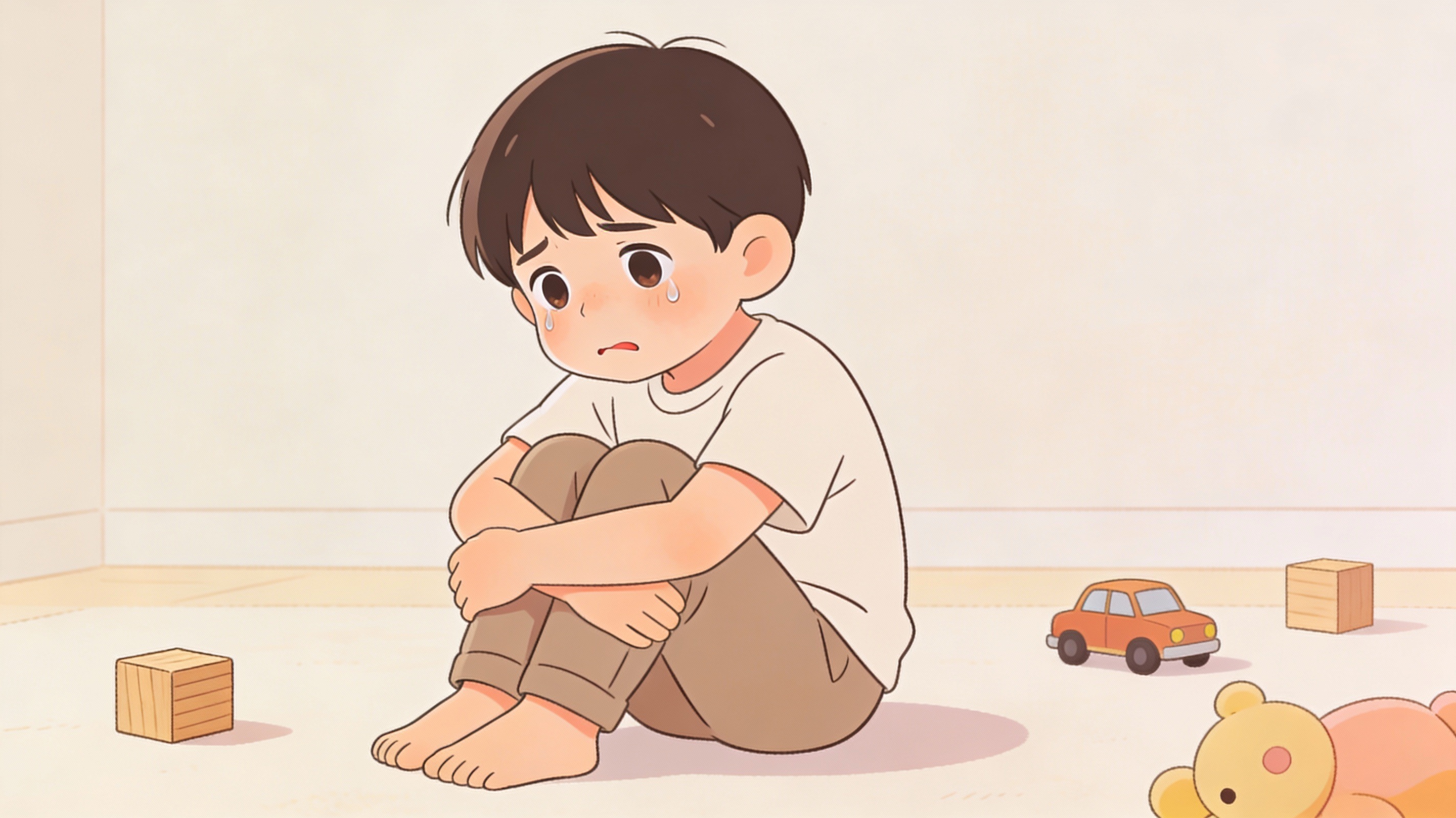
Within minutes, the child who was so happy might now be upset. Perhaps following the parent around the kitchen, clinging and whining. Perhaps tearing up puzzle books or teasing pets. Perhaps just melting down—tears, frustration, seemingly irrational upset.
The parent stands bewildered. What just happened? They gave their child wonderful playtime. The child was happy moments ago. How did everything go wrong so quickly?
The Missing Link: The Seven Stages
Most interactions between people—whether adult conversation, baby feeding, or childhood play—tend to go through seven stages. Understanding these stages can help explain why the scene above sometimes creates upset instead of satisfaction.
The stages often work like climbing and descending a mountain:
- Starting (Initiation) - Someone signals they want to connect—a smile, a word, reaching out
- Noticing each other (Orientation) - Both people notice each other and pay attention
- Getting connected (State of Attention) - The connection gets stronger
- Building up (Acceleration) - Things build up—more energy, more intensity, getting more exciting
- Peak excitement (Peak of Excitement) - The wonderful summit moment when everyone is fully engaged
- Winding down (Deceleration) - Gradually reducing intensity whilst staying connected—the journey down the mountain, still together but calmer
- Separating (Withdrawal) - Both people separate, having had time to think about what happened
But here's what many parents might miss: those last two stages. When adults skip winding down and separating, children can get stranded at the summit with no way down. The child's body and brain are still at "peak excitement" but the adult has disappeared.
What Winding Down Can Look Like
Winding down (Deceleration) doesn't mean stopping play suddenly. It means staying with the child whilst gradually reducing the energy. The parent might say, "Our jungle adventure has been brilliant—shall we start heading back to base camp?" The imaginary play carries on, but the energy shifts from building excitement to gentle completion.
During this winding down phase, children often show certain signs—though these can vary from child to child and situation to situation. They might go quieter. Their responses might slow down. They may need little breaks. These signs can mean the child is ready to move toward finishing, though not necessarily that something is wrong. Adults who miss or misread these signs sometimes try to pump the excitement back up—creating more games, new ideas, keeping play going—when what the child might actually need is support for calming down.
Think of winding down like landing an aircraft. Pilots don't suddenly switch off engines at cruising altitude. They reduce speed slowly, descend in stages, make gentle adjustments. A similar approach can work for ending play. Children often need a supported landing, not being thrown out of the plane.
The Abrupt Switch Problem
In the kitchen scene from earlier, the parent jumped straight from stage five (peak excitement) to stage seven (separating) with no winding down in between. The child experienced something like standing at the top of a mountain and then suddenly appearing at the bottom with no journey down.
The child's brain and body were still full of all the excitement and energy of peak play. The systems keeping that high-energy state going need time to calm down. Without that time, the child's nervous system can get stuck—revving in high gear with no way to slow down.
The behaviours that can follow—clinging, acting out, tears—often aren't manipulation or being naughty. They can be the child trying to cope with feelings they haven't had time to process. The child got left at high emotional intensity with no adult support for coming down.
Where This Pattern Can Start
The ability to handle endings and transitions often develops through early relationships. Babies and young children typically learn about winding down through thousands of goes with parents or carers who pay attention and respond.
Picture a parent noticing their baby getting overstimulated during play. Rather than continuing the stimulation, the parent shifts to gentle soothing. Perhaps moving to quieter activities. Allowing the baby to look away. Giving the baby a way to go from all-revved-up to calm. The baby can learn that peaks of excitement can be followed by safe, supported returns to feeling settled.
Adults who didn't get consistent support for transitions in their own early years may struggle to spot when winding down is needed. What feels like keeping excitement going might actually be preventing necessary completion. The pattern can continue—difficulty reading the "ready to wind down" signals, discomfort with endings, a tendency to either drag interactions out or end them too abruptly.
Building Better Endings
Parents can develop skills for supporting the winding down and separating stages even when their own early experiences didn't provide these templates. The trick is to work with your patterns rather than fight them. If endings feel uncomfortable, plan for them in advance. If spotting the "ready to wind down" signs doesn't come naturally, learn them deliberately.
Practical strategies might include talking through the process. Instead of announcing "Time to stop now," the parent might say, "We've had such a great adventure—shall we start tidying up our jungle camp together?" This says what happened, tells them what's coming, and offers connection during the shift.
Setting clear time boundaries at the start can help. "We'll play for twenty minutes, then tidy up together" gives both parent and child a plan. When time gets close, the parent gives warnings: "Five more minutes of our game, then we'll wind down."
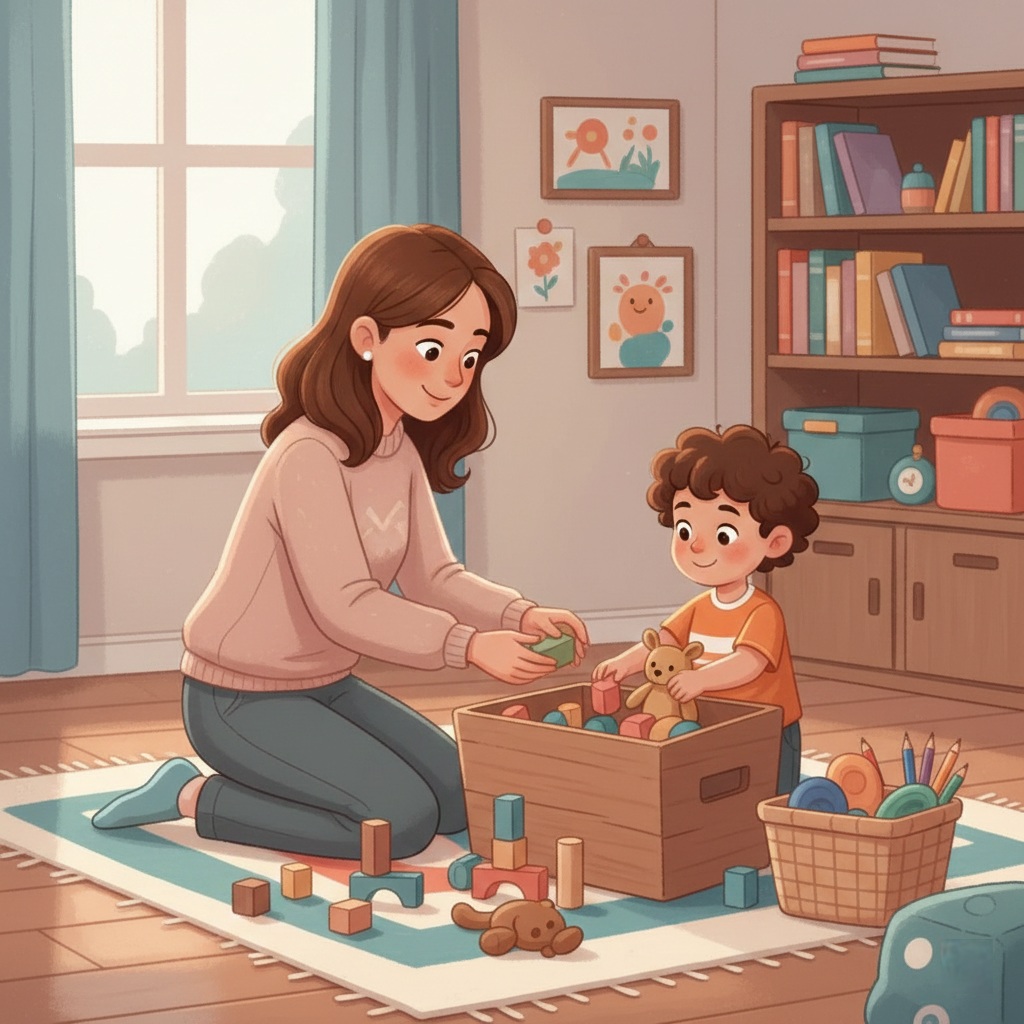
Staying present during the winding down can matter enormously. Parents sometimes feel they've "done their bit" by providing playtime, then withdraw attention when ending. But children often need adult presence during winding down just as much as during playing. The parent might slow their own movements, lower their voice, create a calmer atmosphere whilst staying connected.
Bedtime: The Daily Practice of Winding Down
Bedtime routines can offer one of the clearest examples of winding down (Deceleration) in action. Getting from the day's activities to sleep means going through several stages—from active play through calmer activities toward rest.

Reading books in bed together can create a natural bridge. Sitting side by side, sharing physical warmth and closeness, the parent and child might share the experience of a story. The act of reading together—voices quieter than daytime, bodies still rather than moving—signals that the day is winding down. As children get older, they can take turns reading aloud, maintaining that shared experience whilst developing their own skills.
Even after the last book finishes, there's often that opportunity for connection. Sitting together in the semi-darkness, the parent might check in: "We've done all this today—you built that amazing tower at nursery, we had pasta for tea, you helped feed the cat. Tomorrow we need to remember your PE kit." This gentle review of the day and preview of tomorrow can help the child's mind settle, processing what's happened and preparing for what's coming.
This isn't just about following a routine for the sake of it. The bedtime sequence—bath, pyjamas, teeth, story, chat, lights out—creates a predictable route from the day's peak excitement through winding down to separating (into sleep). Children who experience this supported transition night after night can learn what it feels like to move from high energy to calm, from connection to restful separation.
The physical closeness matters too. Sitting side by side, sharing body warmth, the child experiences calm in the parent's presence rather than being sent away to calm down alone. The message becomes: "I'm with you as you wind down" rather than "Go away until you're calm enough to be with me."
This is why bedtime reading should never be withheld as a punishment. On days when everything went wrong—when the child struggled, when the parent lost patience, when everyone "lost it"—the bedtime routine becomes even more important. Those quiet moments sitting together with a book can soothe the worst day, as much for the parent as for the child. The shared experience of winding down together can help fix what went wrong earlier in the day. Removing it as punishment takes away the very thing that could help both parent and child get back to feeling connected and calm.
When Things Go Wrong
Even with awareness and good intentions, endings will sometimes go badly. The phone rings at the wrong moment. Another child needs urgent help. Life happens. When transitions lead to upset despite best efforts, repair becomes possible.
Rather than dismissing the child's upset or getting frustrated by it, the parent might say what happened. "I had to stop our game really suddenly, didn't I? That must have felt jarring. Let's have a cuddle before moving on to something else." This doesn't mean going back to play or giving in to demands. It means seeing that the child had an unfinished experience and offering brief connection to help them settle.
Repair can matter because it teaches children that disrupted endings can be addressed. The child learns that feeling stranded at high intensity isn't permanent, that adults can help get back to feeling settled even when the initial transition went badly.
Why This Can Matter Beyond Childhood
The patterns set in early endings can shape how people handle changes throughout life. Adults who never learned to spot their own "ready to wind down" needs may struggle with work-life boundaries, relationship endings, or shifting between activities.
The workplace presents countless examples. People who can't end conversations might leave colleagues trapped in doorway chats. Those who struggle with finishing projects might keep revising and adjusting rather than completing and moving on. Individuals uncomfortable with goodbyes might change jobs without proper farewells, missing the closure that can help everyone.
By supporting children through complete cycles—from starting through to proper ending—parents can give their children ways of handling changes that may serve them throughout life. The child who experiences satisfying endings can learn that peaks of intensity can be followed by gentle completions, that separating from one thing doesn't mean abandonment, that things can finish well.
The Compassionate View
Parents dealing with this stuff deserve kindness. Real life is messy. Children get hungry at bad times. Houses don't clean themselves. Work needs doing. Sometimes play has to stop suddenly. Sometimes winding down gets rushed. Sometimes you just need everyone in bed now because you're shattered.
Learning about these seven stages isn't about making you feel bad about all the times things ended badly. It's about understanding what happened. When things go wrong, you can think "ah, that's what that was" instead of feeling confused. Next time you've got more energy, you can try something different. When your child reacts in ways that seem to come from nowhere, you've got an explanation that makes sense.
Nobody's trying to be perfect. The idea is to get through the full cycle most of the time. A few rushed endings won't hurt children who usually get proper wind-downs. Keep trying. That's what builds the skills.
Every interaction is another go. Every game, every chat, every shared bit of time gives you a chance to practise. Starting something, getting into it, hitting that exciting bit, calming down together, finishing properly. Do it enough times and children learn the rhythm. Not just how to start things and have fun, but how to end them in a way that works for everyone.
Topics: #parenting #childDevelopment #play #emotionalRegulation #transitions #attachmentTheory #SolihullApproach #DanceOfReciprocity #earlyYears #YoungFamilyLife
Further Reading
These links dig deeper into the topics covered here:
Emotional Regulation in Children:
- Zero to Three: It Takes Two - Co-Regulation in Building Self-Regulation - Research-based overview of how warm, responsive interactions support self-regulation development
- Raising Children Network: Self-Regulation in Children & Teenagers - Australian parenting resource explaining regulation development from birth through adolescence
The Solihull Approach and Reciprocity:
- Solihull Approach: Understanding Your Child - Information about the reciprocity, containment, and behaviour management framework
- National Centre for Biotechnology Information: Parent-Child Synchrony - Academic research on reciprocal interactions and child development
- Wikipedia: Attachment Theory - Overview of how early relationships shape lifelong patterns
Related YFL Essays
No Time for Goodbyes: The Dance of Reciprocity - The full academic essay exploring the seven stages of reciprocal interaction, including how adults struggle with endings and what this means for relationships throughout life
Play—the Brain's Natural Learning Environment - How play creates optimal conditions for learning and emotional development, including why playful environments support complete interaction cycles
When Your Brain Has a Mind of Its Own - Understanding how stress responses disrupt our ability to navigate transitions smoothly, and why endings can feel threatening when our nervous system perceives pressure
Architecture of Intelligence - How early brain development creates lasting patterns for managing complexity, including the regulation systems involved in moving through interaction cycles
Copyright Notice
© 2026 Steve Young and YoungFamilyLife Ltd. All rights reserved.
"Hey!, Want To Know" is a copyrighted content format of YoungFamilyLife Ltd.
This essay was developed collaboratively using AI assistance to research academic sources and refine content structure, while maintaining the author's original voice, insights, and "Information Without Instruction" philosophy. No part of this essay may be reproduced, distributed, or transmitted in any form or by any means, including photocopying, recording, or other electronic or mechanical methods, without the prior written permission of the copyright holders, except in the case of brief quotations embodied in critical reviews and certain other noncommercial uses permitted by copyright law.
For permission requests, contact: info@youngfamilylife.com